
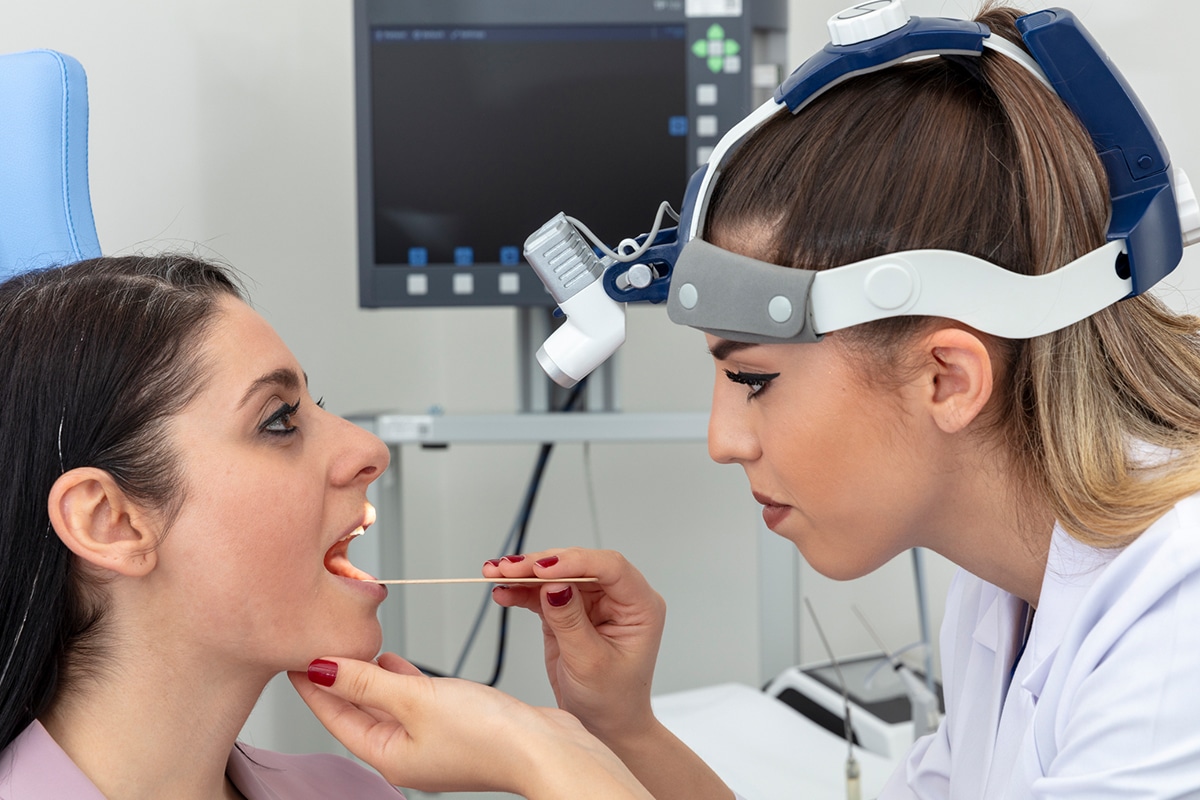
Many people do not think much about small changes inside their mouths until something feels unusual. A sore that does not heal, a persistent white or red patch, swelling, or unexplained irritation may not seem urgent at first, but these symptoms should never be ignored. Oral Cancer Awareness Month each April serves as an important reminder that early evaluation of suspicious areas in the mouth can play a major role in protecting long-term health.
At True North Oral Surgery and Implants, oral biopsies are performed to help identify abnormal tissue changes within the oral cavity. While not every unusual spot is serious, examining concerning tissue early can provide answers and peace of mind. Understanding what happens during an oral biopsy can help patients feel more informed and comfortable about the process.
Why an Oral Biopsy May Be Needed
An oral biopsy is a procedure where a small sample of tissue is removed from the mouth and sent to a pathology laboratory for evaluation. Oral surgeons may recommend a biopsy when an area inside the mouth appears abnormal or has not healed properly over time.
Several signs may indicate the need for further evaluation, including:
- White or red patches inside the mouth
- Sores that do not heal within 2 weeks
- Unexplained lumps or thickened tissue
- Persistent pain or irritation
- Changes in gum tissue
- Difficulty swallowing or chewing
- Areas that bleed easily without a clear cause
In many cases, these symptoms may be related to noncancerous conditions such as irritation, inflammation, or infection. However, biopsies are important because they allow specialists to determine exactly what is happening beneath the surface.
Patients who notice changes in their oral tissues should seek professional evaluation rather than waiting for symptoms to disappear on their own. Early diagnosis often leads to simpler treatment and better outcomes.
Step 1: The Initial Oral Examination
Before recommending a biopsy, the oral surgeon performs a detailed examination of the mouth, gums, tongue, cheeks, palate, and surrounding tissues. During this appointment, patients are asked questions about symptoms, health history, medications, tobacco use, and how long the area has been present.
The surgeon carefully evaluates the size, color, texture, and location of the suspicious tissue. In some situations, dental imaging or additional diagnostic tools may also be used to gather more information.
Not every abnormal area requires a biopsy immediately. Some lesions may improve after eliminating irritation or monitoring the area for a short period. However, if the tissue appears concerning or does not improve, a biopsy may be recommended to obtain a clear diagnosis.
Step 2: Preparing for the Procedure
Most oral biopsies are straightforward outpatient procedures performed in the office. Patients are typically able to return home shortly afterward.
Before beginning, the treatment area is numbed using local anesthesia to help maximize comfort during the procedure. Depending on the location and complexity of the biopsy, additional sedation options may sometimes be discussed.
Once the area is fully numb, the surgeon carefully prepares the site for tissue removal. Patients usually remain awake during the procedure and often experience pressure rather than pain.
The exact type of biopsy depends on the size and location of the lesion. Some biopsies remove only a small portion of tissue for testing, while others remove the entire suspicious area.
Step 3: Removing the Tissue Sample
During the biopsy, the oral surgeon removes the targeted tissue sample with precision while protecting the surrounding structures. The procedure itself is often completed relatively quickly.
There are two common types of oral biopsies:
- Incisional biopsy: A small portion of the abnormal tissue is removed for examination.
- Excisional biopsy: The entire lesion or suspicious area is removed.
After the tissue sample is collected, stitches may be placed to help the area heal properly. In many cases, dissolvable sutures are used so patients do not need to return for removal.
Patients are usually surprised by how manageable the procedure feels. Mild soreness afterward is common, but significant discomfort is uncommon for most biopsy procedures.
Step 4: Expert Pathology Evaluation
One of the most important parts of the biopsy process happens after the tissue sample is collected. At True North Oral Surgery and Implants, biopsy samples are sent to the University of Minnesota’s pathology lab for expert analysis.
Specialized oral pathologists carefully examine the tissue under a microscope to identify any abnormal cellular changes. This detailed evaluation helps determine whether the tissue is benign, inflammatory, precancerous, or related to another oral health condition.
Working with an experienced pathology laboratory provides patients with highly accurate diagnostic information. This step is essential because it guides recommendations for monitoring, additional treatment, or future care when necessary.
Results are typically available within several days, depending on the complexity of the case.
Step 5: Recovery After an Oral Biopsy
Recovery after an oral biopsy is usually mild and manageable. Most patients return to normal activities within a short period of time, although healing times vary depending on the size and location of the biopsy.
Patients may experience:
- Mild tenderness
- Minor swelling
- Temporary bleeding
- Sensitivity while eating or drinking
Following post-procedure instructions carefully helps support healing and reduce irritation. Patients are often advised to avoid spicy foods, tobacco products, alcohol, and vigorous rinsing during the initial recovery period.
Good oral hygiene remains important, but the surgical area should be treated gently while healing occurs.
If stitches are placed, they often dissolve naturally within days or weeks. Follow-up appointments may also be scheduled to review healing and discuss pathology findings.
Why Early Evaluation Matters
Many oral health conditions are easier to manage when identified early. Unfortunately, people sometimes delay evaluation because they assume symptoms are minor or temporary.
Routine dental visits play an important role in detecting suspicious changes early, but patients should also pay attention to changes between appointments. If something inside the mouth looks unusual or fails to heal properly, seeking professional evaluation is an important step.
Oral biopsies provide answers that cannot be obtained through visual examination alone. Even when results show a benign condition, patients often feel relieved knowing they received an accurate diagnosis and appropriate guidance.
By increasing awareness about oral health screenings and suspicious oral lesions, more patients can take proactive steps toward protecting their long-term health.
Frequently Asked Questions About Oral Pathology
Does an oral biopsy mean I have cancer?
No. Many oral biopsies reveal noncancerous conditions such as inflammation, irritation, infections, or benign growths. A biopsy is simply the most reliable way to determine the cause of abnormal tissue changes.
Is an oral biopsy painful?
Most patients experience little discomfort during the procedure because the area is numbed with local anesthesia. Mild soreness afterward is common but typically manageable with standard post-operative care.
How long does it take to recover from an oral biopsy?
Recovery varies depending on the size and location of the biopsy, but many patients feel back to normal within a few days. Larger biopsy sites may require additional healing time.
When should I get a suspicious spot checked?
Any sore, patch, lump, or irritated area that does not improve within 2 weeks should be professionally evaluated. Early examination helps identify potential problems sooner.
What happens if the biopsy results show abnormal cells?
If abnormal or precancerous cells are identified, the oral surgeon will discuss the findings and explain the next recommended steps. Treatment recommendations depend on the specific diagnosis and severity of the condition.
At True North Oral Surgery and Implants, we are committed to helping patients protect their oral health through compassionate care and advanced diagnostic procedures. We believe education and early evaluation are important parts of maintaining long-term wellness and peace of mind. Our team works closely with trusted specialists, including the University of Minnesota’s pathology lab, to provide accurate diagnoses and personalized care recommendations. Contact us today to schedule a consultation.