
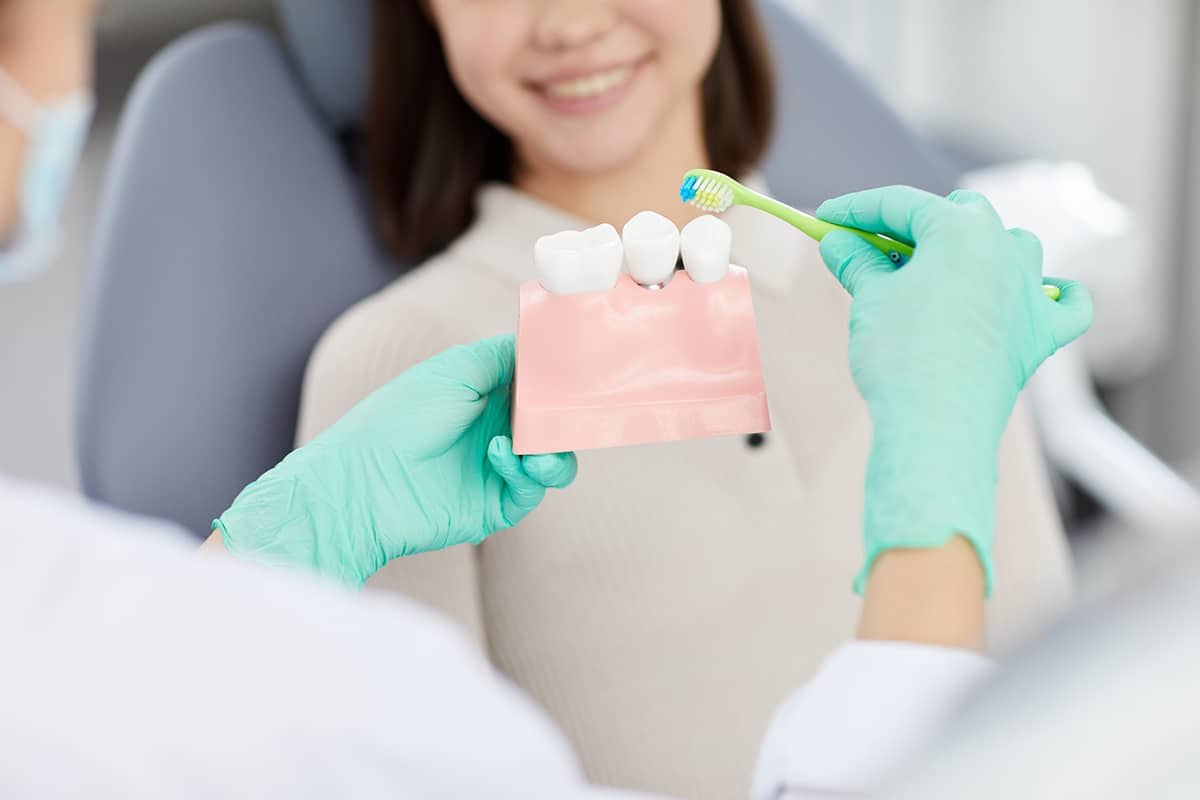
Dental implants are widely considered one of the most effective solutions for replacing missing teeth. They are designed to look, feel, and function like natural teeth while helping preserve jawbone health and restoring confidence in your smile. However, many patients who smoke wonder whether they are candidates for dental implants and if their habit will affect treatment outcomes.
The good news is that smokers can often receive dental implants. However, smoking significantly increases the risk of complications before, during, and after the implant process. Understanding these risks and the steps you can take to improve your chances of success can help you make an informed decision about your oral health.
How Smoking Affects Dental Implant Success
Dental implants rely on a process called osseointegration, which occurs when the implant fuses with the surrounding jawbone. This connection creates a stable foundation for the replacement tooth. Smoking can interfere with this process in several ways.
Nicotine restricts blood flow throughout the body, including the gums and jawbone. Reduced blood circulation limits the delivery of oxygen and nutrients needed for healing after implant placement. As a result, the body may take longer to recover, and the implant may have a harder time integrating with the bone.
Smoking also weakens the immune system's ability to fight infection. Since dental implant surgery requires the body to heal properly around the implant site, any increase in infection risk can negatively impact the outcome. Research has consistently shown that smokers experience higher rates of implant complications and failures compared to non-smokers.
In addition, smoking can contribute to gum disease, bone loss, and chronic inflammation. These conditions may already be present before treatment begins, making implant placement more challenging and potentially requiring additional procedures such as bone grafting. Maintaining healthy bone and gum tissue is essential for long-term implant success.
What Are the Risks of Dental Implants for Smokers?
Although many smokers successfully receive dental implants, they should understand the potential risks associated with tobacco use.
- Delayed Healing. One of the most common concerns is delayed healing after surgery. Because smoking reduces blood flow, the surgical site may take longer to recover. Prolonged healing can increase discomfort and raise the likelihood of complications.
- Increased Risk of Infection. Bacteria and toxins from tobacco products can create an environment that is more susceptible to infection. An infection around a dental implant, known as peri-implantitis, can damage the surrounding bone and tissue if left untreated.
- Implant Failure. Implant failure occurs when the implant does not properly integrate with the jawbone or becomes loose over time. Studies have shown that smokers experience higher implant failure rates than non-smokers because of impaired healing and reduced bone support.
- Greater Bone Loss. Smoking contributes to bone deterioration throughout the mouth. Since dental implants depend on adequate bone volume and density, ongoing bone loss can compromise their long-term stability.
- Higher Risk of Gum Problems. Healthy gums are critical for supporting dental implants. Smoking increases the likelihood of gum inflammation and periodontal disease, both of which can threaten implant success.
While these risks are important to consider, they do not automatically mean a smoker cannot receive implants. Instead, they highlight the importance of careful treatment planning and patient commitment.
What Are the Success Rates for Smokers?
Dental implants generally have excellent success rates, often exceeding 95% in healthy patients. For smokers, success rates remain high but are typically lower than those seen in non-smokers.
Several factors influence success rates among smokers, including:
- The number of cigarettes smoked daily
- The length of time the patient has been smoking
- Overall oral health
- Presence of gum disease
- Bone quality and density
- Compliance with post-operative instructions
Patients who smoke heavily may face greater risks than those who smoke occasionally. However, even reducing tobacco use before and after surgery can positively influence healing and implant stability.
Many oral surgeons evaluate each case individually rather than automatically ruling out smokers. Through comprehensive consultations and advanced diagnostic imaging, providers can assess whether a patient's bone structure and oral health support implant treatment. True North Oral Surgery & Implants emphasizes thorough consultations and personalized treatment planning to help patients make informed decisions about their care.
How Smokers Can Improve Their Chances of Success
Although smoking increases implant risks, there are several steps patients can take to improve outcomes.
- Quit Smoking Before Treatment. The most effective way to improve implant success is to stop smoking altogether. Even quitting several weeks before surgery can enhance blood flow and improve the body's healing response.
- Avoid Smoking During Recovery. The healing period immediately after implant placement is especially important. Many surgeons recommend avoiding smoking for several weeks before and after surgery to support proper osseointegration.
- Maintain Excellent Oral Hygiene. Daily brushing, flossing, and professional cleanings help minimize bacteria and inflammation. Strong oral hygiene habits are essential for preventing infection and protecting implants long-term.
- Attend All Follow-Up Appointments. Routine follow-up visits allow your oral surgeon to monitor healing and address any concerns early. Early intervention can often prevent minor issues from becoming major complications.
- Address Existing Dental Problems. Treating gum disease, infections, or bone loss before implant placement can improve treatment outcomes. In some cases, procedures such as bone grafting may be recommended to strengthen the implant site.
Following your surgeon's recommendations closely can significantly improve the likelihood of a successful result, even if you currently smoke.
Why Dental Implants May Still Be Worth Considering
Despite the increased risks associated with smoking, dental implants continue to offer benefits that many patients find valuable. Unlike traditional bridges or removable dentures, implants replace both the visible tooth and its root structure. This helps preserve jawbone health and maintain facial appearance over time.
Dental implants also provide:
- Improved chewing ability
- Enhanced speech
- Greater comfort
- Long-term durability
- A natural-looking smile
For smokers who are committed to improving their oral health and following treatment recommendations, implants may still represent the best available tooth replacement option.
The Importance of Choosing an Experienced Oral Surgeon
Because smoking presents additional challenges, selecting an experienced oral surgery team is particularly important. Advanced imaging technology, comprehensive evaluations, and personalized treatment planning can help identify potential concerns before treatment begins.
At True North Oral Surgery & Implants, patients benefit from board-certified oral surgeons, advanced 3D imaging technology, and individualized treatment plans designed to support successful outcomes. The practice focuses on patient education, comprehensive consultations, and delivering compassionate care tailored to each person's needs.
A qualified oral surgeon can evaluate your specific risk factors, discuss realistic expectations, and develop a treatment strategy that maximizes your chances of long-term success.
Moving Forward With Confidence
Smoking does increase the risks associated with dental implants, including delayed healing, infection, and implant failure. However, being a smoker does not automatically disqualify you from treatment. With careful planning, strong oral hygiene habits, and a commitment to following post-operative instructions, many smokers achieve successful and lasting implant results.
If you are considering dental implants and have concerns about how smoking may affect your candidacy, scheduling a consultation is the best place to start. A thorough evaluation can help determine the right approach for restoring your smile and protecting your oral health for years to come.
Frequently Asked Questions About Dental Implants
Should I quit smoking before getting dental implants?
Yes. Quitting smoking before implant surgery can significantly improve blood flow, reduce complications, and increase the likelihood of successful healing. Even temporary smoking cessation before and after surgery can provide meaningful benefits.
How long should I avoid smoking after dental implant surgery?
The exact timeline varies by patient, but many oral surgeons recommend avoiding smoking for at least several weeks after implant placement. This allows the implant to begin integrating with the bone without interference from nicotine and other tobacco-related toxins.
Can vaping affect dental implant success?
Yes. While vaping may expose patients to fewer harmful chemicals than traditional cigarettes, nicotine can still restrict blood flow and interfere with healing. Patients should discuss vaping habits with their oral surgeon before treatment.
Are dental implants guaranteed to fail if I smoke?
No. While smokers face a higher risk of complications and implant failure than non-smokers, many smokers still achieve successful long-term results. Your overall health, oral hygiene habits, bone quality, and willingness to follow your oral surgeon's recommendations all play important roles in treatment success.
Will my oral surgeon know if smoking has affected my candidacy for dental implants?
Yes. During your consultation, your oral surgeon will evaluate your gums, jawbone density, and overall oral health using a clinical exam and advanced imaging. This assessment helps determine whether any additional treatments are needed before implant placement and whether dental implants are the right solution for your situation.
At True North Oral Surgery & Implants, we are committed to delivering patient-focused care through advanced technology, personalized treatment planning, and compassionate service. Our experienced team provides dental implants, bone grafting, wisdom tooth extractions, and a full range of oral surgery procedures throughout the Twin Cities metro area. We take pride in helping patients make informed decisions about their oral health and treatment options. Contact us today to schedule a consultation.