
When it comes to restoring your smile and maintaining long-term oral health, strong jawbone structure plays a critical role. If you have been told you may need bone grafting, you might be wondering what that means and why it is necessary. Understanding this common oral surgery procedure can help you feel more confident about your treatment and your future dental health.
Bone grafting is often recommended when the jawbone has weakened or lost volume due to tooth loss, gum disease, or trauma. At True North Oral Surgery and Implants, patients receive personalized care designed to rebuild the foundation of their smile and prepare for long-term solutions like dental implants.
What Is Bone Grafting?
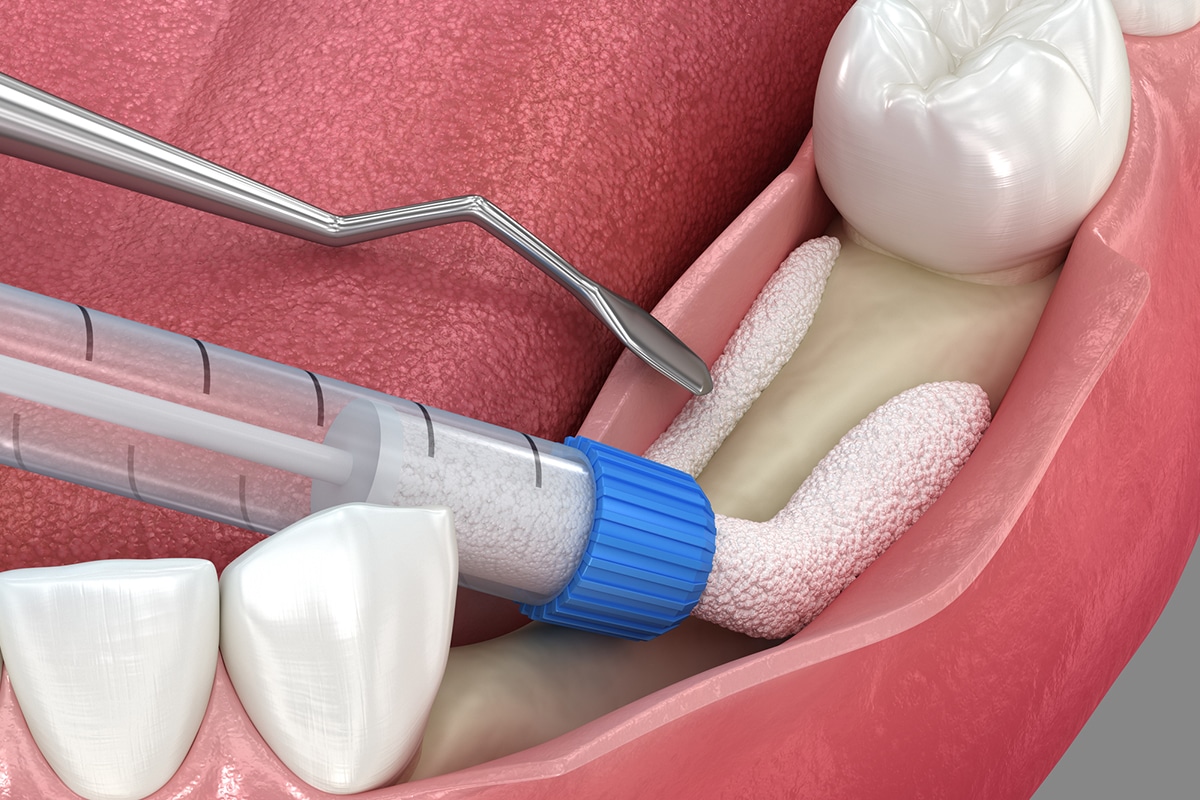
Bone grafting is a surgical procedure that restores or rebuilds bone in the jaw. When bone is lost, it can affect both the function and appearance of your mouth. The goal of bone grafting is to regenerate new bone tissue so the jaw can support teeth, dental implants, and overall facial structure.
During the procedure, a small amount of bone material is placed in the area where bone is missing or weakened. This material may come from your own body, a donor source, or a safe synthetic option. Over time, your body integrates the graft and begins to form new, healthy bone in that area.
This process is essential for patients who want to move forward with treatments like dental implants. Without enough bone density, implants cannot properly anchor into the jaw. Bone grafting creates a stable foundation that allows for long-lasting and successful results.
Why Bone Loss Happens in the Jaw
Bone loss in the jaw is more common than many people realize, and it can happen for several reasons. One of the most frequent causes is tooth loss. When a tooth is missing, the jawbone no longer receives stimulation from chewing, which can cause it to shrink over time.
Periodontal disease is another major contributor. This advanced form of gum disease can damage both the soft tissue and the underlying bone that supports your teeth. If left untreated, it can lead to significant bone deterioration.
Injuries or trauma to the face can also result in bone loss. Additionally, some individuals naturally have thinner jawbone structures, which may not be sufficient for certain dental procedures.
No matter the cause, bone loss does not have to be permanent. With bone grafting, patients can restore the strength and volume of their jaw, making it possible to pursue advanced dental treatments and maintain proper oral function.
When Is Bone Grafting Needed?
There are several situations where bone grafting may be recommended. One of the most common is in preparation for dental implants. Implants require a certain amount of bone to hold them securely in place. If the jawbone is too thin or weak, bone grafting is often the first step before implant placement.
Bone grafting may also be needed after a tooth extraction. In some cases, placing a graft immediately after removing a tooth can help preserve the bone and prevent future loss. This approach can make future restorative treatments easier and more predictable.
Patients with advanced gum disease may also benefit from bone grafting. The procedure can help rebuild areas where bone has been damaged and support the remaining teeth.
In other cases, bone grafting is used to improve overall oral health and facial structure. Severe bone loss can lead to changes in facial appearance, including a sunken or aged look. Restoring the bone helps maintain natural contours and supports a more youthful appearance.
What to Expect During and After the Procedure
Bone grafting is typically performed as an outpatient procedure, often using local anesthesia or sedation to ensure comfort. The exact process will depend on your individual needs and the extent of bone loss.
During the procedure, the grafting material is carefully placed in the targeted area. The site is then secured and allowed to heal over time. In many cases, the healing process takes several months as the new bone integrates with your natural jawbone.
After the procedure, patients may experience mild swelling or discomfort, which can usually be managed with prescribed or over the counter medication. Following post-operative instructions is important to ensure proper healing and the best possible outcome.
Your oral surgeon will monitor your progress and determine when the area is ready for the next phase of treatment, such as dental implant placement. While the process requires patience, the long-term benefits make it a worthwhile investment in your oral health.
Restore Your Foundation for a Stronger, Healthier Smile
Bone grafting is a powerful solution for restoring jawbone health and creating a strong foundation for future dental treatments. Whether you have experienced bone loss due to missing teeth, gum disease, or injury, this procedure can help rebuild your smile and support lasting results. Working with an experienced oral surgery team ensures you receive the care and guidance needed every step of the way.
Frequently Asked Questions About Bone Grafting
Is bone grafting painful?
Most patients report minimal discomfort during and after the procedure. Local anesthesia or sedation is used during surgery, and any post-operative soreness is typically manageable with medication.
How long does it take to heal after bone grafting?
Healing time varies depending on the size of the graft and your individual health, but most patients require several months for the bone to fully integrate before moving forward with additional treatments.
At True North Oral Surgery and Implants, we are committed to helping our patients restore their oral health with advanced, personalized care. We take pride in guiding you through every step of your treatment with comfort and clarity. If you are considering bone grafting or dental implants, we are here to help you achieve long-term results. Contact us today to schedule a consultation.